Meta

At this point of your day trading career has been hours upon hours of studying the basics from leaders such as Chad Mullens and Jeffey.L.Ross. You have even purchased a few books from Rossfunds, but nothing is driving a home run for your stock picks. What if you could find a successful day trading software that can help you make thousands overnight?

Will you know how to use it effectively for a long-term solution? If not, maybe you should consider building an investing toolkit that will involve a day trading software, investment literature, and an actual business plan for consistent profit.

Take advantage of a software

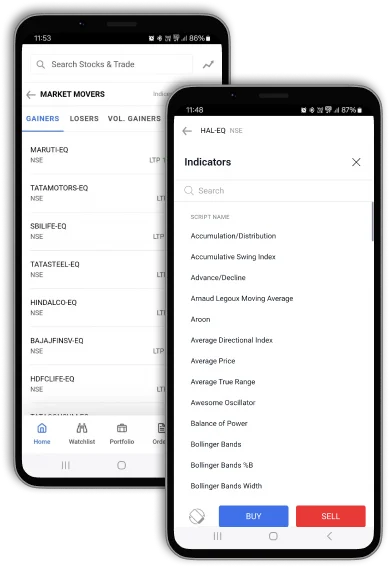
Novice investors are always in the midst of finding a new position in the stock market. You can make money by taking advantage of a stock trading software that calculates potential, works in your favor, and continues to grow over time. If you ask an experienced investor, they will mention the amount of hours and days invested in building their portfolio. You can make money in day trading, but the basics must create the foundation you are looking for. Consider the advantages of using a stock trading software then make a decision of building wealth in a few weeks:

- Builds consistency in a progressive manner
- Controlled methods of picking profitable stocks
- Easy to use software
- Unique algorithm for calculating differences/possibilities

Using a stock trading software to make money can cut your research time in half while improving your chances of building a strong portfolio. Majority of today’s investment moguls have an interesting toolkit that includes software, seminars, and other web-based training opportunities to strengthen their experience. As a novice investor, you can do the same with the profits you earn while using a day trading software.

Build wealth in weeks

Test the likelihood of building wealth in weeks; a successful day trading system can provide the security needed to establish a plan. Your only investment involves time; you will need time to learn how to use the day trading software effectively.

Your potential to make money in the stock market does not end in building momentum - it includes calculating more risks that are going to drive you home in profits. In order to become an experienced investor, you have to start from the beginning by creating a foundation suitable for your business. Once you understand all of this, your wealth will show up in time for you to generate the leads you need.

Tweak performance for consistency

Your performance is key to success in day trading; a real successful trading software can provide information on different aspects of your trading habits. You may even develop a criteria or calculation that explains issues regarding your performance.

You may even notice the difference between your scalping and daily pivots that can change your trading habits. Consider this as a short warning - everything you do can determine the direction of your portfolio. With this in mind, your tweaks should be done only when necessary. A stock trading software can provide this opportunity if you take the time to learn how to implement it into your day trading career.

Are you considering taking the ISTQB foundation level software testing certification exam but would like to know more about what topics it covers? This article provides a summary of what knowledge is required to satisfy the requirements of the foundation level certification.

The certification exam is based on a syllabus that is updated periodically by the International Software Testing Qualification Board (ISTQB). The syllabus is freely available for download and it is what the training providers base their courses on. By reviewing the syllabus, we can understand what topics will be covered in the exam and what we need to know to have the knowledge required for the foundation level certification.

As the foundation level is aimed at those that may have no prior knowledge of testing, the syllabus starts with covering the fundamentals of testing. This includes being able to explain why testing is necessary and the basic test process from planning to execution and closure.

The syllabus then covers how testing activities fit into the software development lifecycle and the software development methodology being used in the project. You need to be familiar with the different levels of testing from component or unit testing to integration, system and user acceptance testing (UAT). You also need to understand the different types of tests, e.g. functional and non functional and if the test is related to a change, understanding what regression testing is.

It then covers how static techniques fit into the test process. Static techniques include reviews or automated analysis that is performed without actually executing the software. For example reviews of system related documentation including functional specifications, design documents, software code and test plans. Automated analysis refers to checks that can be done by tools on software source code to find any defects by comparing to predefined rules or standards.

The next topic is test design techniques. Here it is necessary to know the difference between specification based or black box techniques, structure based or white box techniques and experience based techniques. Using this understanding you need to know how to choose the appropriate test techniques for the test level and project situation. It is necessary to understand what is required to manage the test process. You need to be able to answer the following questions - How to organize a test team, plan and estimate test activities and monitor progress. How to ensure that all project outputs are version controlled and tracked to avoid any ambiguity (configuration management). How to determine, identify and manage project and product risk. How will incidents be managed?

The last topic covered is the tools that can be used to support the software testing and designing process. This covers not only tools that can support test execution but the whole testing process including test management, test specification, test performance and monitoring. Also, understand any risks associated with the use of a tool and what to consider before introducing a new tool into an organisation.

We have covered briefly here the topics that are part of the ISTQB syllabus for the foundation level software testing certification exam. As the exam is based on the syllabus, you should find it clear what topics are covered and what you need to study to have the knowledge to pass the exam. This article is based on information from the 2007 ISTQB foundation level syllabus. The syllabus is copyright by the ISTQB and its authors, Thomas Müller, Dorothy Graham, Debra Friedenberg and Erik van Veendendal.